July 28, 2026
Heavy industrial operations rely heavily on machinery working continuously under demanding environmental conditions, exposing valuable capital assets to friction, chemicals, and rust. Maintaining this infrastructure historically required aggressive surface preparation methods that created massive dust plumes, required extensive operational shutdowns, and posed health risks to site personnel. As processing facilities face increasing pressure to maintain production schedules while satisfying strict environmental regulations, traditional dry abrasive methods are becoming obsolete for modern plant managers.
Integrating advanced dustless blasting services into standard asset management programs offers a transformative solution for facilities aiming to maintain high operational standards. By balancing high-velocity cleaning power with dust-suppression control, this approach protects delicate machinery and overall operational efficiency. Specialized equipment restoration requires a refined touch that eliminates heavy oxidation while preserving the structural integrity of steel, tanks, and manufacturing equipment. This modern methodology bridges the gap between thorough surface restoration and seamless workflow continuity across industrial settings.
Minimize Maintenance Downtime and Operational Disruptions
In any industrial setting, unexpected facility shutdowns represent a major threat to overall profitability and contract fulfillment schedules. When heavy machinery must be taken offline for routine refurbishment or structural recoating, every hour of inactivity translates directly into lost revenue and backlogged production streams. Traditional dry sandblasting often forces surrounding production lines to freeze operations due to massive clouds of abrasive media and pulverized debris that travel throughout the facility, disrupting nearby teams and processes.
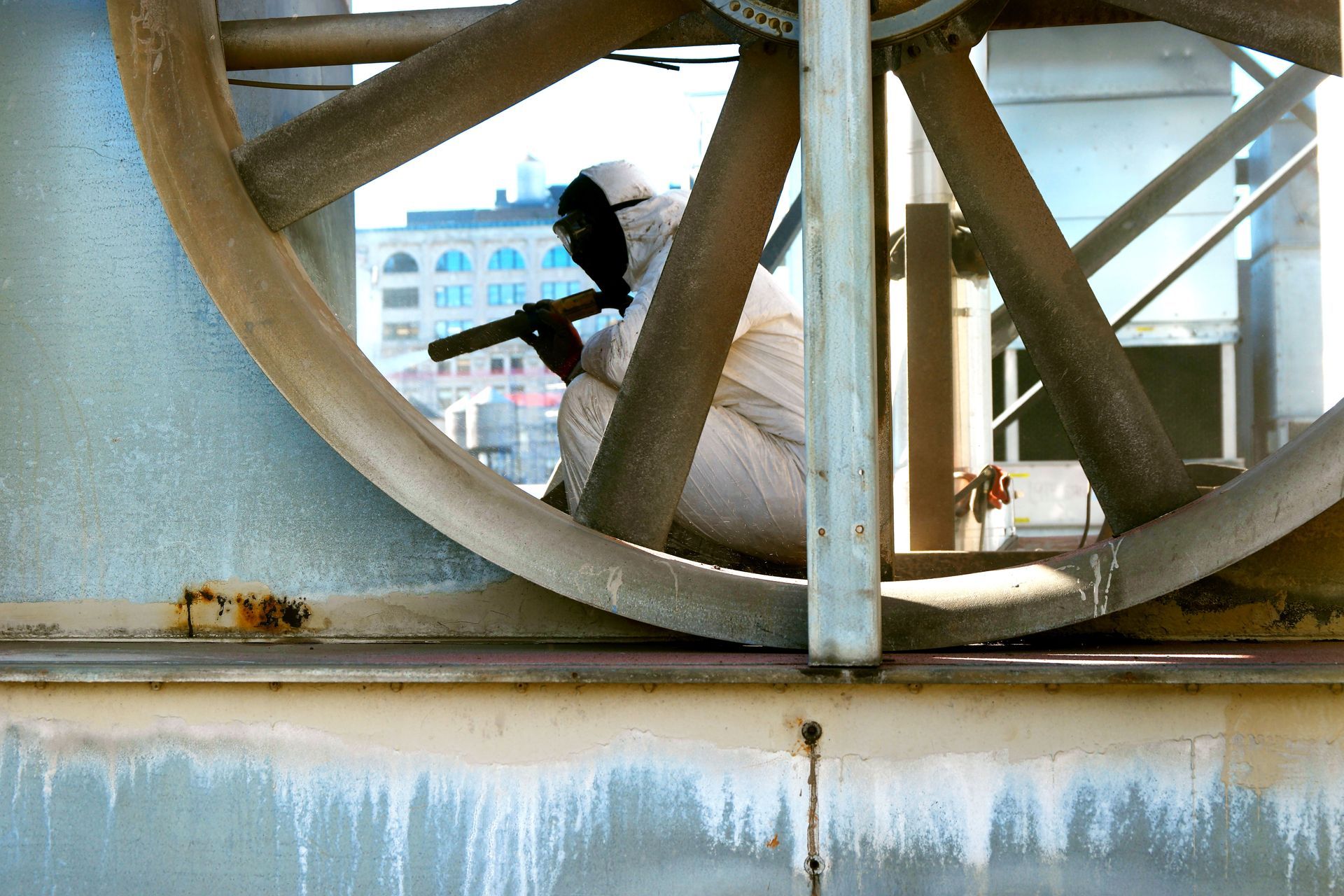
By encapsulating abrasive media within a suppressed water vapor mist, dustless blasting services drastically reduce the plume footprint, allowing technicians to execute rapid surface stripping alongside active machinery. The mixture of water, media, and air pressure creates a high-mass impact that rapidly shears off tough industrial paints, epoxies, and corrosion. Because the water suppresses airborne dust, nearby intake vents do not need to be sealed for extended periods, allowing equipment to return to active service very quickly.
Enhance Workplace Safety and Environmental Compliance
Industrial facilities operate under rigorous regulatory frameworks enforced by environmental and safety agencies to protect worker health and surrounding ecosystems. Conventional surface preparation frequently releases hazardous respirable crystalline silica, heavy metals, and toxic volatile organic compounds into the ambient air, creating severe health risks for operators and surrounding facility staff. Prioritizing workplace safety demands modern engineering controls that mitigate these airborne hazards at the source rather than relying solely on personal protective equipment.
Utilizing wet abrasive technology, dustless blasting services effectively trap dust particles in water droplets as they strike target surfaces, causing contaminants to fall directly to the ground instead of hovering in the breathing zone. This wet process eliminates static electricity generation, significantly reducing ignition risks in volatile environments such as refineries and chemical plants. The growing global demand for advanced abrasive tools highlights this industry-wide shift toward safer surface preparation technologies; according to findings from Acument Research and Consulting, global valuation for the abrasive blasting nozzle market reached USD 216.8 million in 2024.
Extend Machinery Lifespan Through Thorough Restoration
Industrial machinery represents a massive capital investment, and extending the operational longevity of these assets is fundamental to long-term financial stability. Over time, exposure to moisture, aggressive chemicals, and continuous mechanical stress causes heavy oxidation and material degradation, which can compromise the structural integrity of heavy equipment. Extending machinery lifespan depends on proactive maintenance routines that thoroughly eliminate deeply embedded contaminants before micro-fissures and severe corrosion permanently destroy critical structural components.
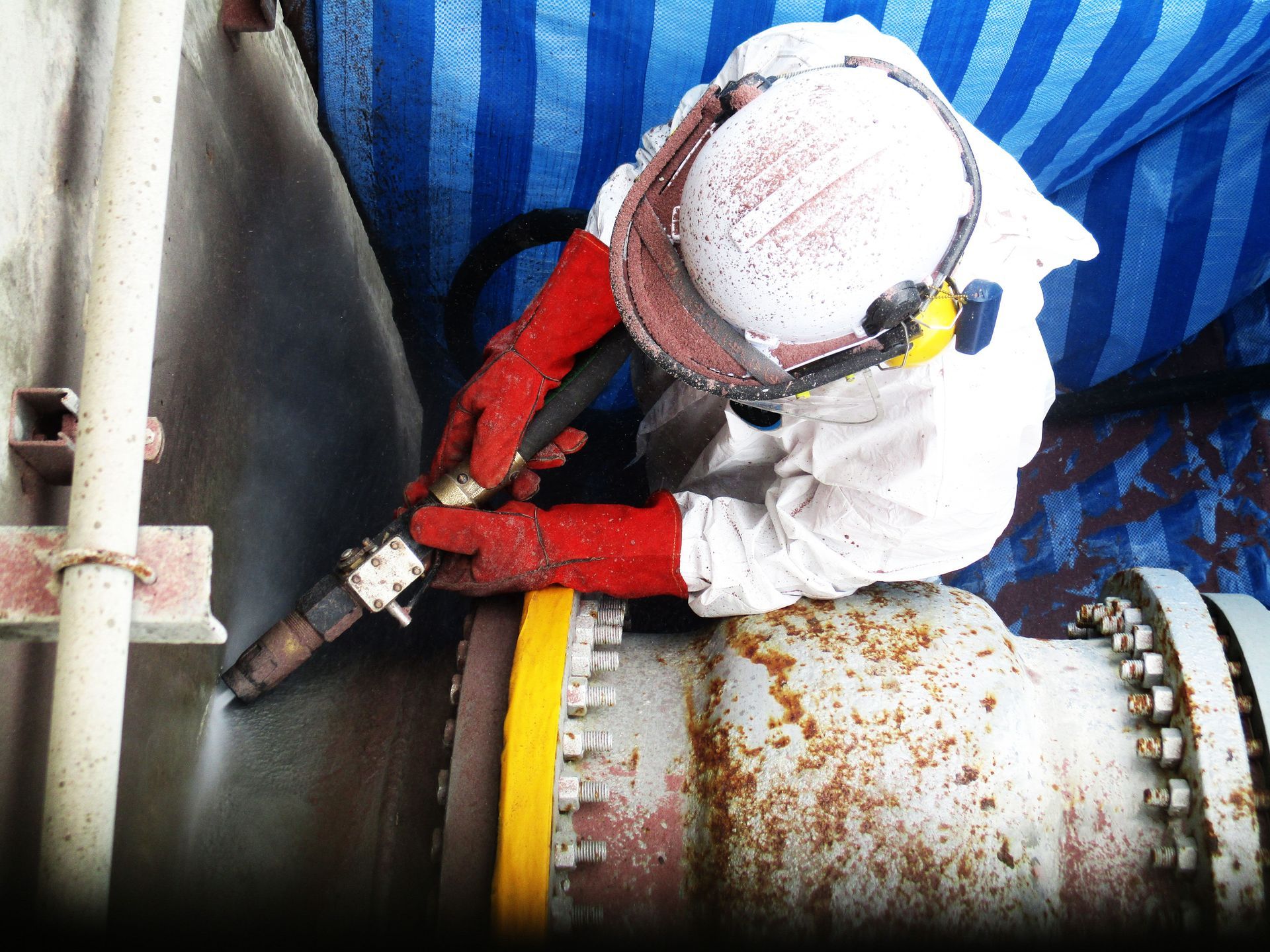
Deploying specialized dustless blasting services allows technicians to strip away decades of accumulated grease, industrial rust, scale, and failing protective coatings down to bare metal without compromising the structural core. The combination of water pressure and abrasive media reaches deep into hard-to-access welds, rivets, and tight corners that traditional hand tools miss. Removing these corrosive elements entirely prevents latent rust from reoxidizing under newly applied protective coatings, ensuring structural equipment remains sound and fully operational.
Prevent Substrate Damage During Surface Preparation
Surface restoration requires a delicate balance between applying sufficient energy to remove stubborn coatings and preserving the integrity of underlying materials. Excessive force, high friction, or unrefined impact can severely damage valuable substrates, leading to costly structural repairs or complete component replacements. Preventing substrate damage is a primary objective when preparing sensitive industrial materials such as aluminum, thin-gauge sheet metal, structural steel, or composite alloys that are prone to warping under heat.
The water cushion inherent in dustless blasting services reduces friction temperatures significantly, preventing the thermal expansion and metal warping commonly caused by the intense heat of dry sandblasting. Technicians can fine-tune air pressure and select specific media types—ranging from soft crushed glass to fine garnet—to match the exact hardness of target materials. This precise control ensures mill scale, paint, and rust are completely stripped away without pitting, gouging, or altering dimensional tolerances.
Reduce Containment Overhead and Cleanup Delays
The logistical effort and labor associated with industrial surface preparation often equal or exceed the work required for the actual blasting process itself. Traditional sandblasting mandates extensive preparation, including building heavy containment structures, hanging full-facility tarps, and running high-capacity air filtration units to trap airborne dust. Minimizing overall setup labor requires an approach that limits the dispersion of abrasive media at the point of impact during surface prep tasks.
Because water suppresses and weighs down the abrasive media and stripped debris upon impact, dustless blasting services eliminate the need for elaborate containment tenting or high-volume vacuum filtration systems. The mixture falls directly beneath the working area, creating a localized pile of damp waste that can be quickly collected into disposal containers. This sharp reduction in waste dispersion significantly decreases cleanup labor, allowing project managers to keep maintenance routines moving forward smoothly.
Optimize Surface Profiles for Long-Lasting Coatings
A protective coating is only as effective as the surface preparation that precedes its application. Even high-grade industrial epoxies and topcoats fail prematurely if applied over smooth, dirty, or improperly profiled surfaces. Optimizing the surface profile provides the necessary mechanical anchor pattern required for chemical and physical bonds to achieve maximum adhesion strength. Stripping away old paint without creating a textured profile leaves metal smooth, preventing new coatings from gripping effectively.
Professional dustless blasting services achieve a clean, consistent anchor profile tailored to the exact specifications required by specialized coating manufacturers. The wet blasting process washes away soluble salts, grease, and microscopic debris simultaneously, leaving a thoroughly cleaned substrate ready for immediate primer application. Rust inhibitors can also be introduced into the blast mixture during treatment, leaving a pristine, profile-optimized surface that prevents premature blistering, peeling, and hidden corrosion creep beneath paint.
Investing in modern equipment maintenance is an essential strategy for operational efficiency, regulatory compliance, and long-term asset preservation. Traditional restoration methods that cause extensive downtime, environmental hazards, and substrate damage are rapidly giving way to cleaner, controlled surface preparation methods. By incorporating dustless blasting services into routine industrial maintenance schedules, facility owners can maximize productivity, protect worker health, and ensure valuable machinery remains in peak operational condition for years to come.
Selecting an experienced partner for heavy equipment restoration ensures every project is completed safely, efficiently, and to the highest technical standard. Proper surface preparation safeguards equipment investments and enhances overall plant safety protocols. Reach out to us today to discover how our expert team at Ohio Dustless Blasting can restore your industrial machinery and keep your operations running smoothly.